JR Dental Service
TMJ Problems in Dwarka

What are TMJ Problems?
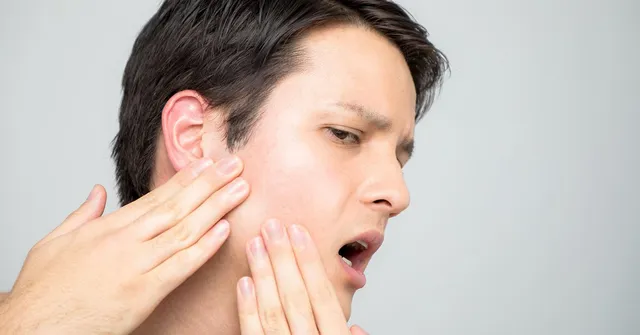
TMJ (temporomandibular joint) problems refer to disorders affecting the jaw joint and the muscles controlling jaw movement. The TMJ is a hinge-like joint connecting the lower jaw (mandible) to the skull, allowing for essential functions such as chewing, speaking, and yawning. TMJ problems can arise from a variety of causes, including injury, stress, teeth grinding (bruxism), arthritis, or misalignment of the teeth or jaw. Common symptoms include jaw pain, headaches, clicking or popping sounds in the jaw, difficulty opening or closing the mouth, and facial tenderness. While the exact cause of TMJ disorders can vary, the condition is often treatable with a combination of conservative therapies and lifestyle changes.
How Do TMJ Problems Work?
TMJ problems arise when the normal function of the temporomandibular joint is disrupted. This can be caused by misalignment of the jaw, trauma to the face or jaw, overuse of jaw muscles (from activities like chewing gum or grinding teeth), or inflammation due to conditions like arthritis. When the joint or muscles are not functioning properly, it can lead to pain, limited jaw movement, and discomfort. The surrounding tissues, such as ligaments and muscles, can become irritated, leading to inflammation. The dysfunction of the joint can also cause sounds such as popping or clicking when moving the jaw. In more severe cases, TMJ problems can interfere with daily activities like eating, speaking, and even sleeping.


Benefits of Treating TMJ Problems
Treating TMJ problems can significantly improve quality of life by alleviating pain, restoring jaw function, and preventing further complications. Key benefits include: Pain Relief: TMJ treatments help reduce jaw, face, and neck pain caused by muscle tension, inflammation, or joint misalignment. Improved Jaw Function: Proper treatment can restore full movement of the jaw, allowing patients to speak, eat, and yawn without discomfort. Reduced Headaches: Many people with TMJ problems suffer from frequent headaches or migraines. Treatment can help alleviate these symptoms by addressing the root cause. Better Sleep: Chronic jaw pain or teeth grinding can interfere with sleep. Treatment can relieve discomfort, improving sleep quality. Prevention of Further Damage: Proper treatment can prevent the worsening of TMJ problems, which can lead to chronic pain, joint degeneration, or dental damage.
Procedure for Treating TMJ Problems
The treatment of TMJ problems involves a range of conservative and, in some cases, surgical options: Initial Evaluation: The first step is a comprehensive dental examination to assess the jaw's function, including X-rays or MRI scans to evaluate the joint's condition. Conservative Treatments: Pain Management: Nonsteroidal anti-inflammatory drugs (NSAIDs) or muscle relaxants may be prescribed to relieve pain and reduce inflammation. Mouth Guards/Splints: Custom-made mouth guards or splints can help alleviate symptoms of teeth grinding or jaw clenching by preventing the upper and lower teeth from making contact. Physical Therapy: Targeted exercises and stretches can help relax jaw muscles, improve mobility, and strengthen the jaw. Heat/Cold Therapy: Applying warm compresses or ice packs to the affected area can help reduce pain and swelling. Surgical Treatments (in severe cases): Arthrocentesis: A minimally invasive procedure that involves washing out the TMJ to remove debris and reduce inflammation. Joint Surgery: In rare cases, surgical intervention may be necessary to repair or replace the joint if more conservative treatments do not provide relief.

Ideal Candidates for TMJ Treatment
Ideal candidates for TMJ treatment are individuals experiencing symptoms such as jaw pain, headaches, jaw clicking or popping, or difficulty in opening and closing the mouth. Candidates may also include people who grind their teeth or suffer from jaw misalignment. Treatment is often recommended if symptoms persist for several weeks or interfere with daily activities. Individuals with chronic TMJ problems or those who have not responded to over-the-counter pain relievers or home remedies may benefit from a more structured treatment plan. It’s important for candidates to have a comprehensive evaluation from a dentist or oral health specialist to determine the best approach.
Risks of TMJ Treatment
While most TMJ treatments are safe and effective, there are some risks and potential side effects: Side Effects from Medications: Pain medications or muscle relaxants can cause side effects such as drowsiness, stomach irritation, or allergic reactions. Discomfort from Mouth Guards: In some cases, patients may experience initial discomfort or difficulty adjusting to wearing a mouth guard or splint. Temporary Increased Pain: Some treatments, like physical therapy or applying heat, may initially cause a temporary increase in pain before the patient experiences relief. Surgical Risks: Surgical treatments, such as joint surgery, carry inherent risks, including infection, nerve damage, or complications from anesthesia. These procedures are typically reserved for severe cases where conservative methods have failed.


Success Rate of TMJ Treatment
The success rate of TMJ treatment is generally very high, particularly when conservative treatments are used early in the condition’s progression. Non-invasive treatments like mouthguards, physical therapy, and pain management strategies provide significant relief for the majority of patients. Studies show that over 80% of patients experience improvement with these methods. In severe cases where surgery is required, the success rate is still favorable, with many patients experiencing significant pain relief and improved jaw function after surgery. However, the success of any treatment depends on the severity of the TMJ disorder and how early the intervention is.
FAQS
How long does it take to see results from TMJ treatment?
The time it takes to see results from TMJ treatment varies depending on the type of treatment. Non-invasive methods like mouthguards or physical therapy may provide relief within a few weeks, while more extensive treatments, like injections or surgery, may take several months for full recovery.
Can stress cause TMJ problems?
Yes, stress can contribute to TMJ problems. Stress often leads to teeth clenching or grinding, particularly at night, which can exacerbate symptoms like jaw pain and headaches. Stress management techniques such as relaxation exercises or therapy may help alleviate TMJ symptoms.
Are there any home remedies for TMJ pain?
Home remedies for TMJ pain include applying warm or cold compresses to the jaw, practicing jaw relaxation exercises, and avoiding hard or chewy foods. Over-the-counter pain relievers such as ibuprofen can help manage mild symptoms. However, it’s important to consult a dentist or doctor for a more comprehensive treatment plan if symptoms persist.