JR Dental Service
Bone Grafting Procedures in Dwarka

What is Bone Grafting in Dentistry?
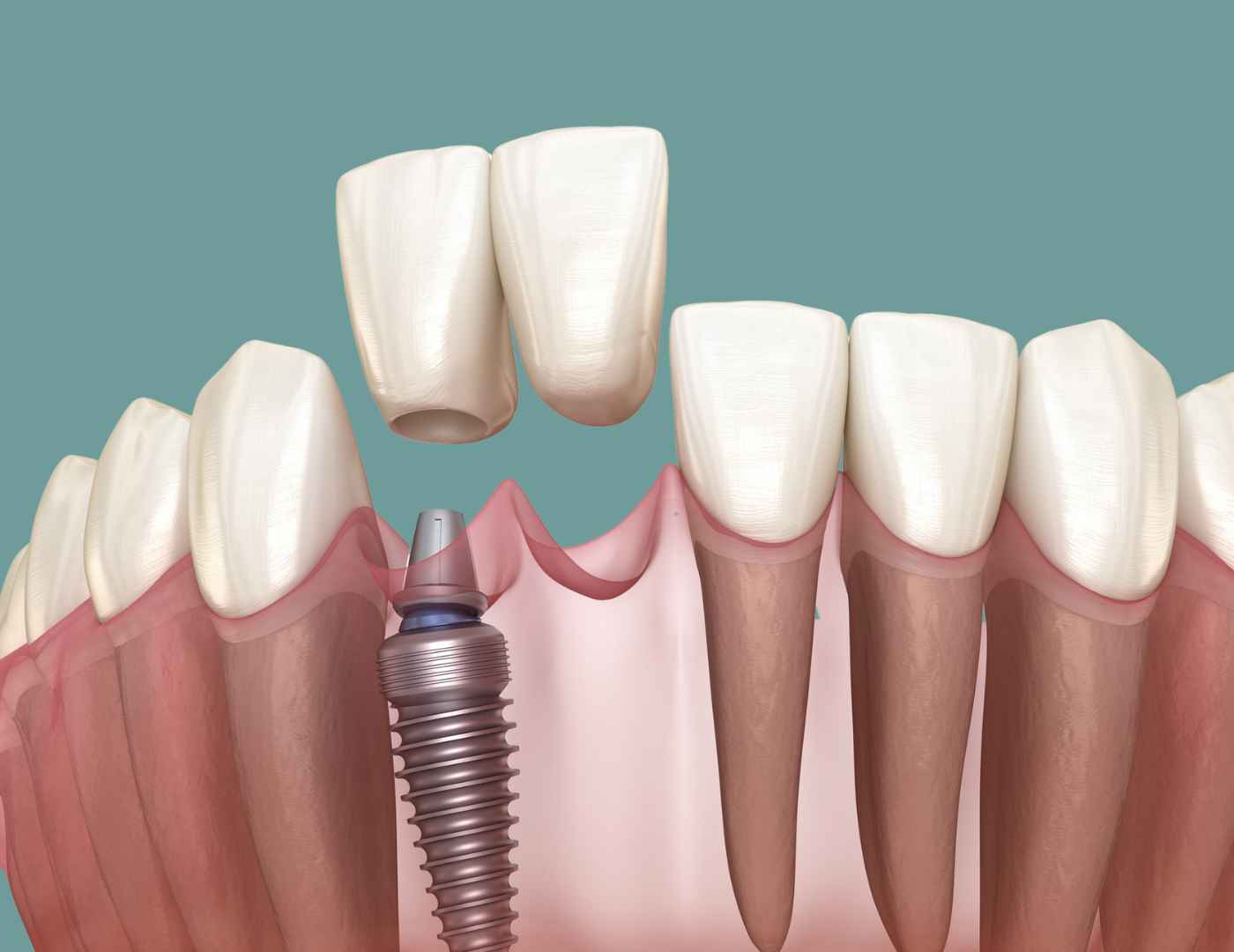
Bone grafting in dentistry is a procedure used to repair or rebuild bone in the jaw that has been lost due to injury, disease, or bone resorption. It involves placing bone material, which can be synthetic, allograft (from a donor), or autograft (from the patient’s own body), into areas where the bone is insufficient. Bone grafting is commonly performed prior to dental implant placement to ensure there is enough bone to securely anchor the implant. The procedure helps restore lost bone structure, providing a solid foundation for dental restoration and improving the overall function and appearance of the mouth.
How Does Bone Grafting Work?
Bone grafting works by introducing a grafting material into the area of bone loss. Over time, the body naturally absorbs the graft material and replaces it with new, healthy bone tissue. The graft serves as a scaffold for the growth of new bone. In some cases, the grafting material will eventually be replaced with the patient’s own bone, particularly if the graft is an autograft. The process typically involves a surgical procedure where the dentist or oral surgeon makes an incision to access the affected area, places the graft, and then sutures the area closed. The healing time can vary depending on the extent of the bone loss and the type of graft used.
Benefits of Bone Grafting
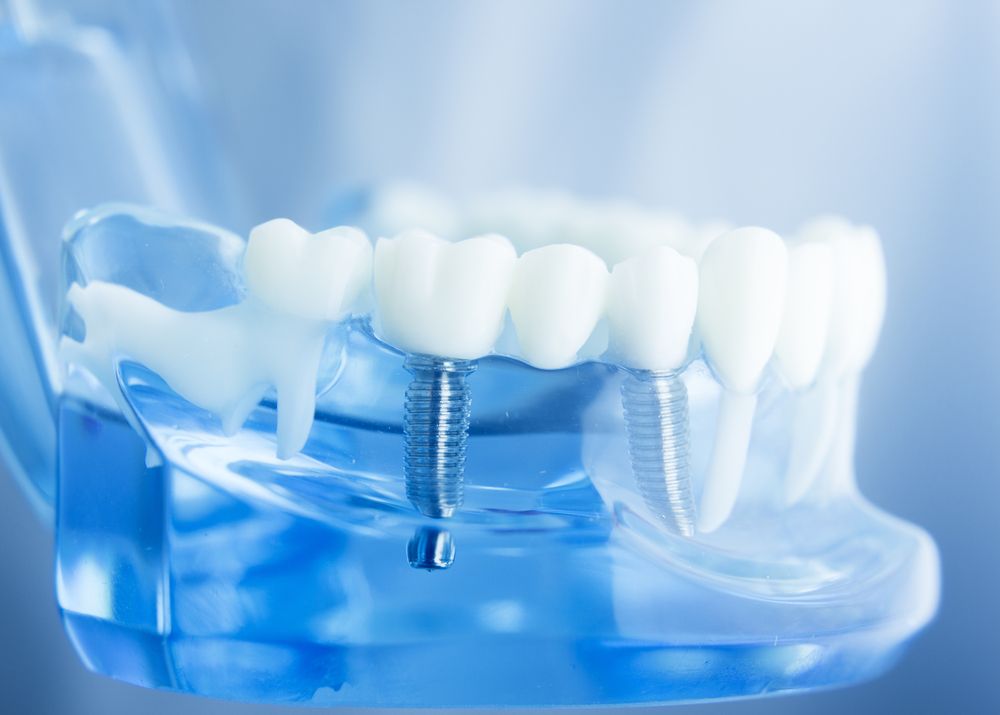
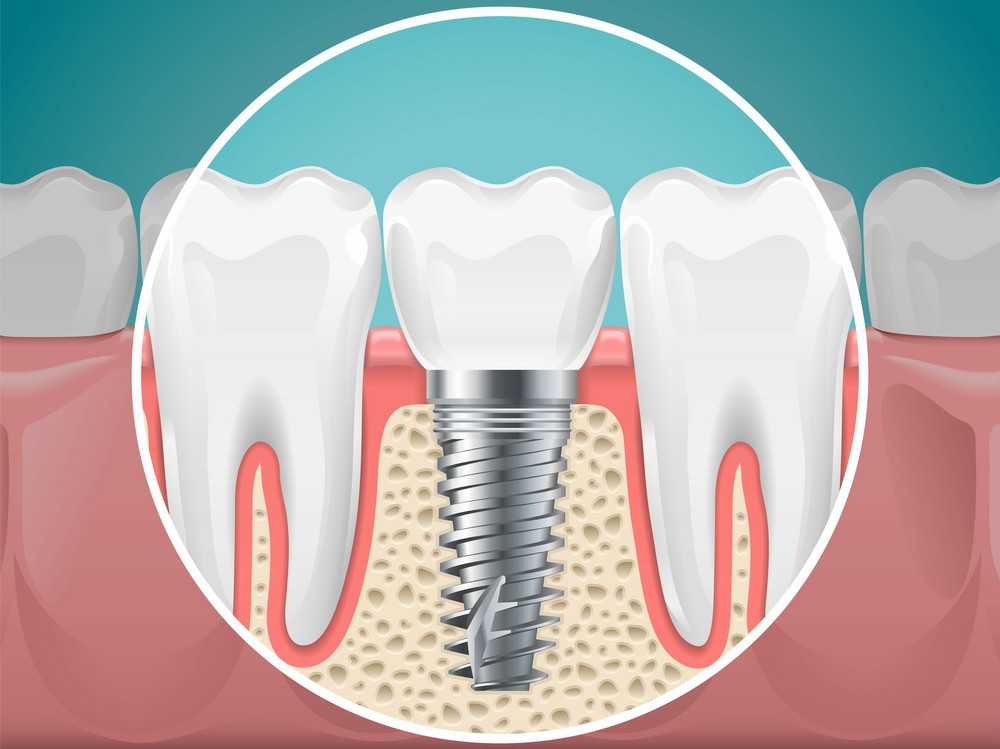
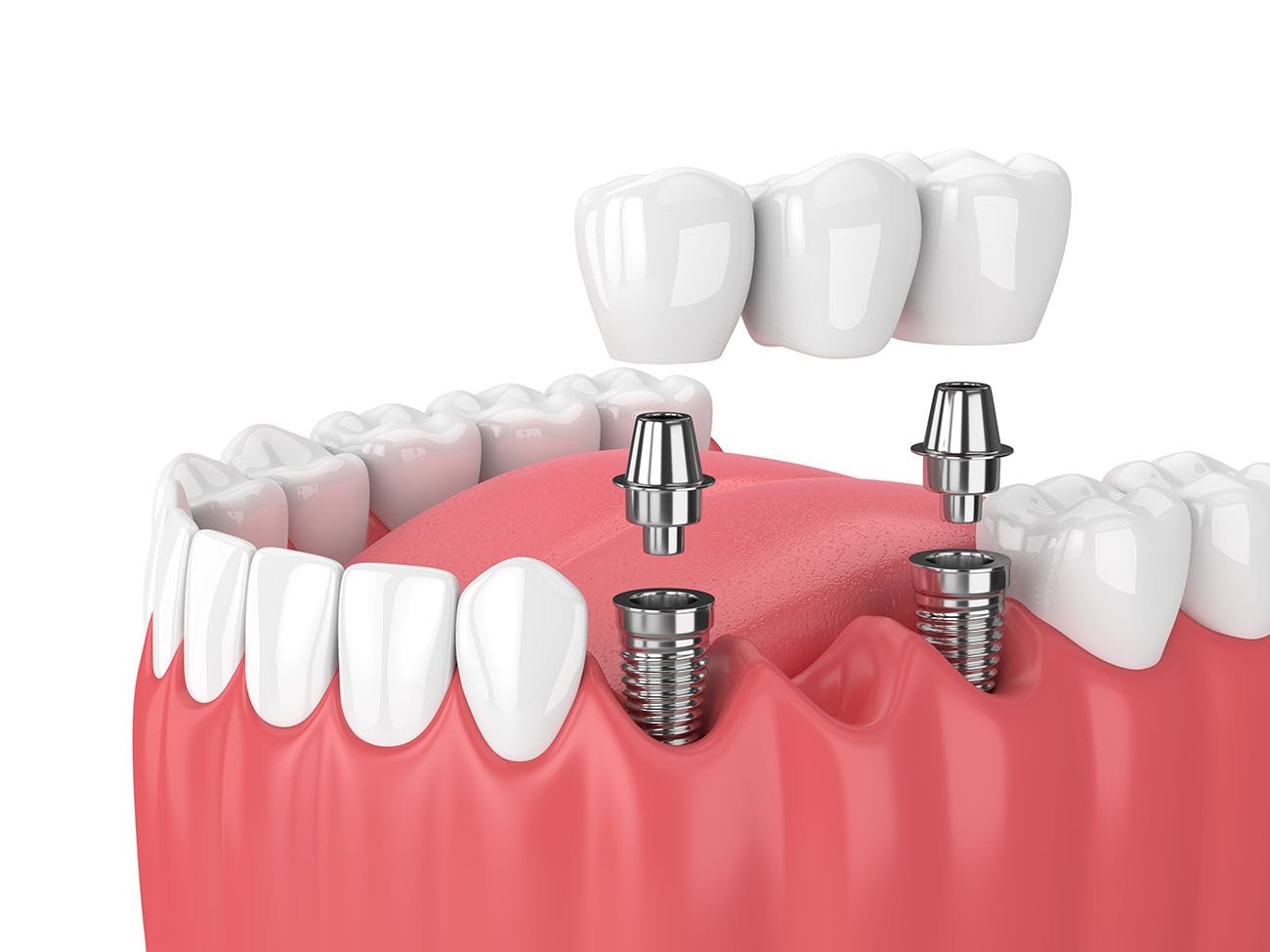
Bone grafting offers several benefits, particularly for patients in need of dental implants. One of the primary benefits is that it helps restore the jawbone, which may have been weakened or deteriorated due to tooth loss, periodontal disease, or trauma. This procedure creates a stable foundation for dental implants, allowing for better functionality and a more natural look. Bone grafting also prevents further bone loss and can improve the overall appearance of the jaw and face, reducing the "sunken" look caused by bone resorption. Additionally, bone grafts can support other dental procedures, such as the placement of bridges or dentures, ensuring better fit and comfort.
Procedure for Bone Grafting
The bone grafting procedure begins with a consultation and thorough examination of the patient’s oral health. The dentist will often take X-rays or 3D scans to assess the extent of bone loss and determine the best course of action. During the surgery, the dentist will make an incision in the gum tissue to access the bone, then place the grafting material into the area of bone loss. The material is then covered, and the gum tissue is stitched closed. Afterward, the patient will need time for healing, which may take several months as the graft integrates with the existing bone. In some cases, additional treatments, such as growth factors or membranes, may be used to promote healing.
Ideal Candidates for Bone Grafting
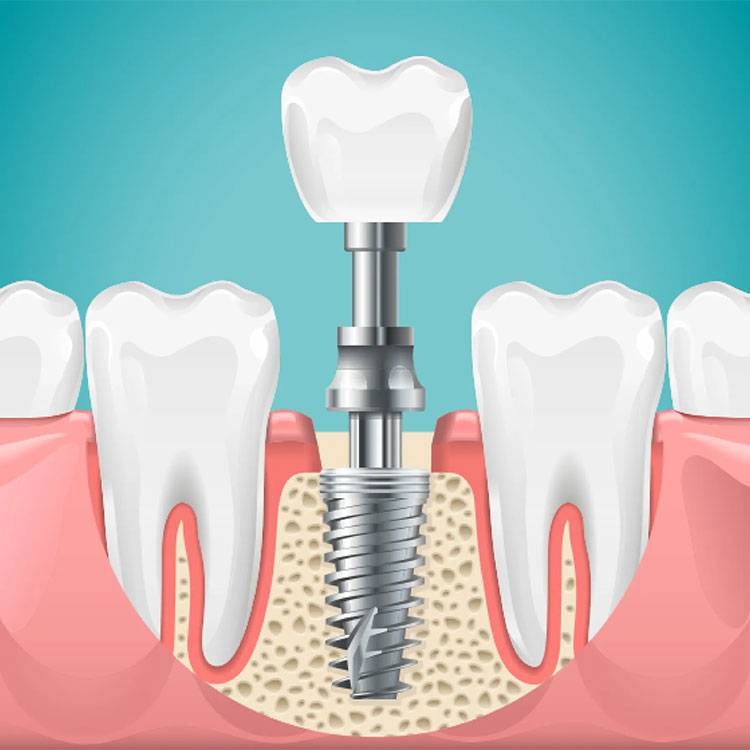
Ideal candidates for bone grafting are individuals who have suffered bone loss in the jaw and need a foundation for dental implants or other dental restorations. Bone grafting is also beneficial for patients who have experienced tooth loss due to decay or periodontal disease, as it helps restore the structure of the jawbone. Candidates should be in good overall health and have sufficient gum tissue to cover the graft. Smokers or individuals with conditions such as uncontrolled diabetes may face complications and should consult with their dentist to evaluate whether bone grafting is appropriate for them.
Risks of Bone Grafting
Although bone grafting is generally safe, there are some risks associated with the procedure. The most common risks include infection at the graft site, graft failure (where the bone does not integrate properly), or irritation of the surrounding tissues. In some cases, the body may reject the graft material, particularly if the graft is from a donor. Bleeding, swelling, and discomfort are also common after the procedure but can typically be managed with proper aftercare. It’s important to follow the dentist's post-operative instructions to reduce the risk of complications and ensure the success of the graft.

Success Rate of Bone Grafting
The success rate of bone grafting is generally high, with studies showing success rates of up to 90-95%, depending on the type of graft used and the patient's individual health factors. Autografts (grafts taken from the patient's own body) tend to have the highest success rate, as they are less likely to be rejected by the body. The success of the procedure also depends on factors such as the patient’s overall health, lifestyle habits (like smoking), and adherence to post-operative care instructions. The healing process can take several months, but when successful, bone grafting provides a solid foundation for dental implants and other restorative treatments.
FAQS
How long does it take to recover from a bone grafting procedure?
Recovery time can vary, but most patients can expect to heal within 4 to 6 months after the bone grafting procedure. During this time, the graft material will integrate with the natural bone. Swelling and discomfort are common immediately after surgery but can be managed with prescribed medications and rest.
Will I need to take time off work after bone grafting?
While recovery times vary, many patients require a few days to a week off from work to rest and heal. Depending on the extent of the surgery, you may experience some discomfort, swelling, or bruising, which can make it difficult to resume normal activities right away. Your dentist will provide a personalized recovery plan to help manage any discomfort.
Can I have a dental implant immediately after bone grafting?
In most cases, dental implants are not placed immediately after a bone graft. The graft needs to integrate with the jawbone and fully heal, which typically takes several months. Once the bone has fully healed, your dentist can proceed with the placement of the implant. However, in some cases, your dentist may perform a simultaneous implant placement if there is sufficient bone structure.